
Invasive Aedes aegypti Mosquitoes Detected in Hayward for the first time
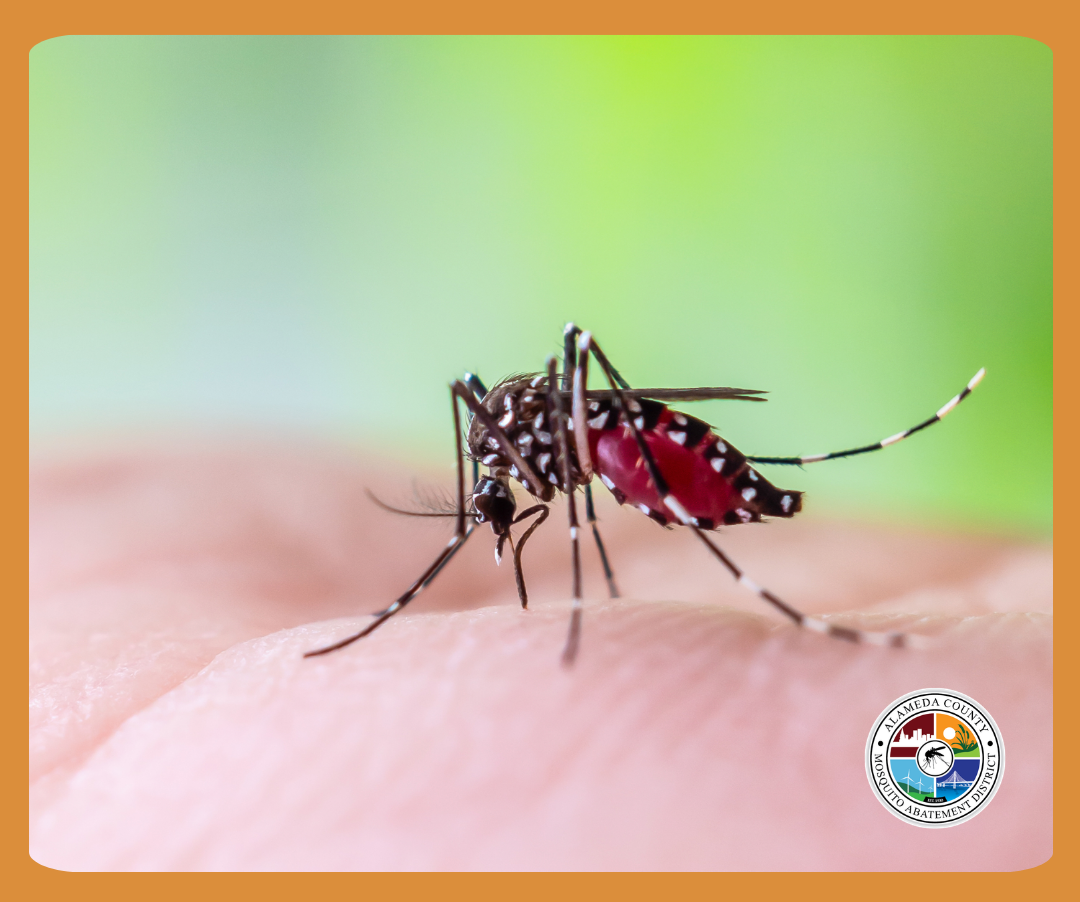
HAYWARD, Calif. August 25, 2026 — The Alameda County Mosquito Abatement District (ACMAD) has confirmed the discovery of multiple Aedes aegypti mosquitoes in Hayward. This marks the first detection of the invasive species in the city. The District is working with city officials and agencies to inform residents and inspect properties. Aedes aegypti is not native to California and can transmit diseases such as dengue, Zika, and yellow fever. In response, District staff are conducting door-to-door inspections and treatments for potential mosquito breeding sites in two detection zones: west of downtown near B Street and in the industrial area near West Winton Avenue.
“The City of Hayward appreciates ACMAD’s quick response to the detections of Aedes aegypti mosquitoes in our city,” says Board Trustee for the city of Hayward and Hayward City Councilmember George Syrop. “Their expert staff are in affected neighborhoods and they are ready to help, free of charge, to anyone who is experiencing mosquitoes. Residents may see District employees in uniform going door to door to check yards and identify potential mosquito breeding sources. I encourage residents to welcome District staff and allow them access to yards and other areas where mosquitoes can live. Community cooperation is essential to finding and eliminating these dangerous mosquitoes before they have a chance to become established in our neighborhoods.”
Adult Aedes aegypti mosquitoes are less than a quarter-inch long and have distinctive black-and-white stripes on their bodies and legs. They typically bite people and do not travel far, generally staying within 300 feet of where they hatch. When the District identifies an area with new Aedes aegypti detections, residents may see District staff in uniforms with official logos and identification. Staff inspect yards and outdoor spaces for mosquito breeding sites and educate residents about ways to reduce mosquito breeding. District staff also visit local businesses to identify and treat for any possible mosquito breeding sources.
The District urges residents in Hayward and throughout Alameda County to inspect their properties for standing water, which can provide breeding habitat for mosquitoes. The District first detected pockets of invasive Aedes aegypti in small areas of Livermore, Pleasanton, Dublin, and Fremont in 2025 and first detected the species in Castro Valley in July 2026.
Aedes aegypti is an aggressive, daytime-biting mosquito that often targets the ankles. Aedes aegypti can complete its life cycle in very small amounts of water—even as small as the amount held in a bottle cap. It is a container breeding mosquito that lays its eggs just above the waterline in artificial sources such as vases, buckets, pet dishes, fountains, birdbaths, plant saucers, and old tires. The eggs are tiny and can be mistaken for dirt or seeds, and they can survive for more than a year without water. Scrubbing containers helps remove eggs and prevents them from being moved to new locations.
If Aedes aegypti becomes established in Alameda County, it could significantly affect residents' quality of life because these mosquitoes are highly aggressive and active during the day. Although not native to California, Aedes aegypti has now been detected in at least 26 counties statewide, including all of Alameda County's neighboring counties.
Protect Yourself from Mosquito Bites:
· Apply insect repellents containing EPA-registered ingredients such as DEET, picaridin, IR3535, or oil of lemon eucalyptus.
· Wear long-sleeved shirts, pants, socks, and shoes when mosquitoes are most active.
· Ensure window and door screens are in good condition.
· Report daytime mosquito activity immediately to the Alameda County Mosquito Abatement District at (510) 783-7744 or www.mosquitoes.org.
If you develop a fever, headache, and joint or muscle pain after returning from an area where dengue, chikungunya, yellow fever, or Zika is present, contact your doctor. Use mosquito repellent when outside for three weeks and stay indoors as much as possible to avoid mosquito bites and prevent the possible spread of disease.
For more information, visit: Invasive Aedes aegypti in Alameda County